
Case Study: Enhancing Privacy and Elegance in Luxury Hotels


Introduction to Privacy in Luxury Hotels
In today’s world, privacy is more than just a luxury—it's an expectation. For luxury hotels, ensuring privacy while maintaining an elegant atmosphere is crucial to providing an exceptional guest experience. This case study explores how top-tier hotels have successfully integrated privacy measures without sacrificing elegance.
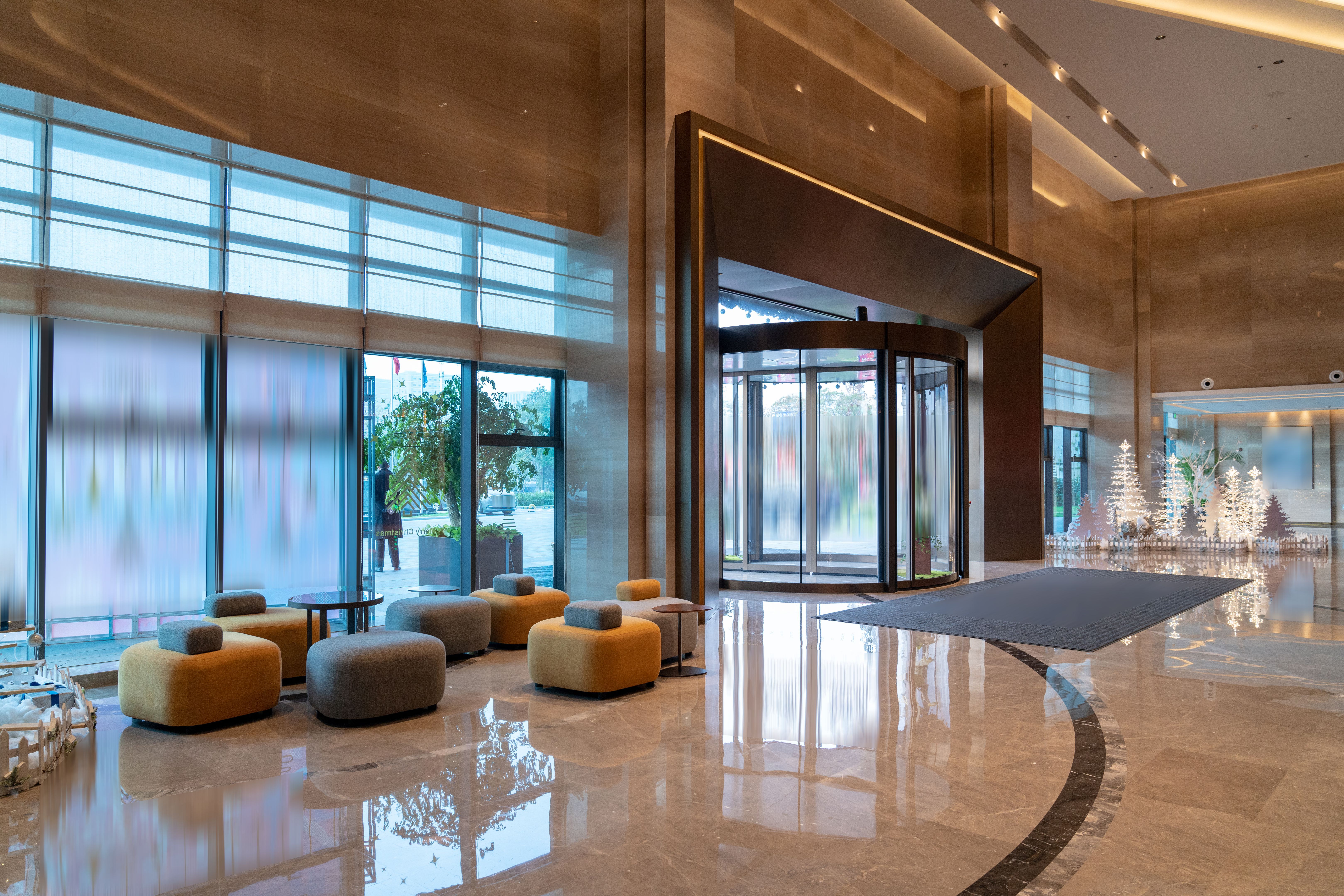
Understanding Guest Expectations
Guests in luxury hotels expect a seamless blend of service, privacy, and comfort. Meeting these demands requires a nuanced approach. Key expectations include:
- Discreet Service: Staff should be available yet unobtrusive.
- Secure Spaces: Rooms and facilities must ensure privacy.
- Personalized Experiences: Tailored services that respect individual privacy needs.
Designing Spaces for Privacy
Architectural design plays a significant role in enhancing privacy. Luxury hotels have embraced innovative designs to create private and serene environments. Key strategies include:
- Soundproofing: Utilizing advanced materials to minimize noise.
- Strategic Layouts: Designing rooms and suites to offer private spaces.

Leveraging Technology
Technology is a powerful tool in enhancing both privacy and elegance. Smart room systems allow guests to control settings like lighting and temperature, ensuring a personalized experience that respects their privacy.
Data Security Measures
Protecting guest data is paramount. Luxury hotels invest in robust cybersecurity measures to safeguard personal information, further enhancing the guest experience by ensuring peace of mind.

Cultivating a Discreet Service Culture
Training staff to maintain discretion is essential. Employees are trained to be attentive without being intrusive, ensuring guests feel respected and valued. This balance is key to maintaining an atmosphere of elegance and exclusivity.
Feedback and Continuous Improvement
Luxury hotels prioritize guest feedback to continually refine their privacy measures. By actively listening to guests, hotels can adapt and innovate to meet evolving expectations, ensuring a luxurious and private stay.
In conclusion, enhancing privacy in luxury hotels is about more than just physical barriers; it's about creating an atmosphere where guests feel secure and valued. By blending innovative design, technology, and service, hotels can offer an unparalleled experience that upholds the highest standards of elegance and privacy.