
Case Study: How Sensaglass Transformed a Hospitality Venue with Smart Glass


Introduction to Sensaglass and Smart Glass Technology
In the ever-evolving world of architecture and interior design, innovations such as smart glass have become game-changers. Sensaglass, a leading company in the smart glass industry, has been at the forefront of these technological advancements. Their latest project involved transforming a hospitality venue with their cutting-edge smart glass solutions.
Smart glass, also known as switchable glass, allows users to control the level of transparency and opacity with a simple switch. This technology offers numerous benefits, including energy efficiency, privacy, and enhanced aesthetics. Sensaglass has mastered these aspects, making them a preferred choice for modern architects and designers.

Project Overview: Transforming the Venue
The hospitality venue in question was a high-end hotel seeking to create a luxurious and modern experience for its guests. The management aimed to enhance the ambiance while maintaining privacy and energy efficiency. Sensaglass proposed a comprehensive solution using their smart glass products.
The project involved installing smart glass in various areas, including conference rooms, guest suites, and the main lobby. This installation not only elevated the venue's aesthetic appeal but also provided functional benefits that aligned with the hotel's objectives.
Implementation Process
Sensaglass approached the project with meticulous planning and precision. The implementation process comprised several key steps:
- Initial Consultation: Understanding the venue's specific needs and design aspirations.
- Custom Design: Creating tailored solutions to fit the architectural layout and interior design.
- Installation: Executing the installation with minimal disruption to the hotel's operations.
- Post-Installation Support: Providing ongoing maintenance and support to ensure optimal performance.

Benefits of Smart Glass in Hospitality
The introduction of smart glass technology brought several benefits to the hospitality venue. One of the main advantages was energy efficiency. By controlling the amount of natural light entering the building, the hotel could significantly reduce its energy consumption, leading to lower utility bills and a smaller carbon footprint.
Additionally, the privacy offered by smart glass was a major selling point. Guests could switch the glass from transparent to opaque, ensuring their privacy while enjoying unobstructed views when desired. This feature was particularly appreciated in areas such as conference rooms and guest bathrooms.
Enhanced Guest Experience
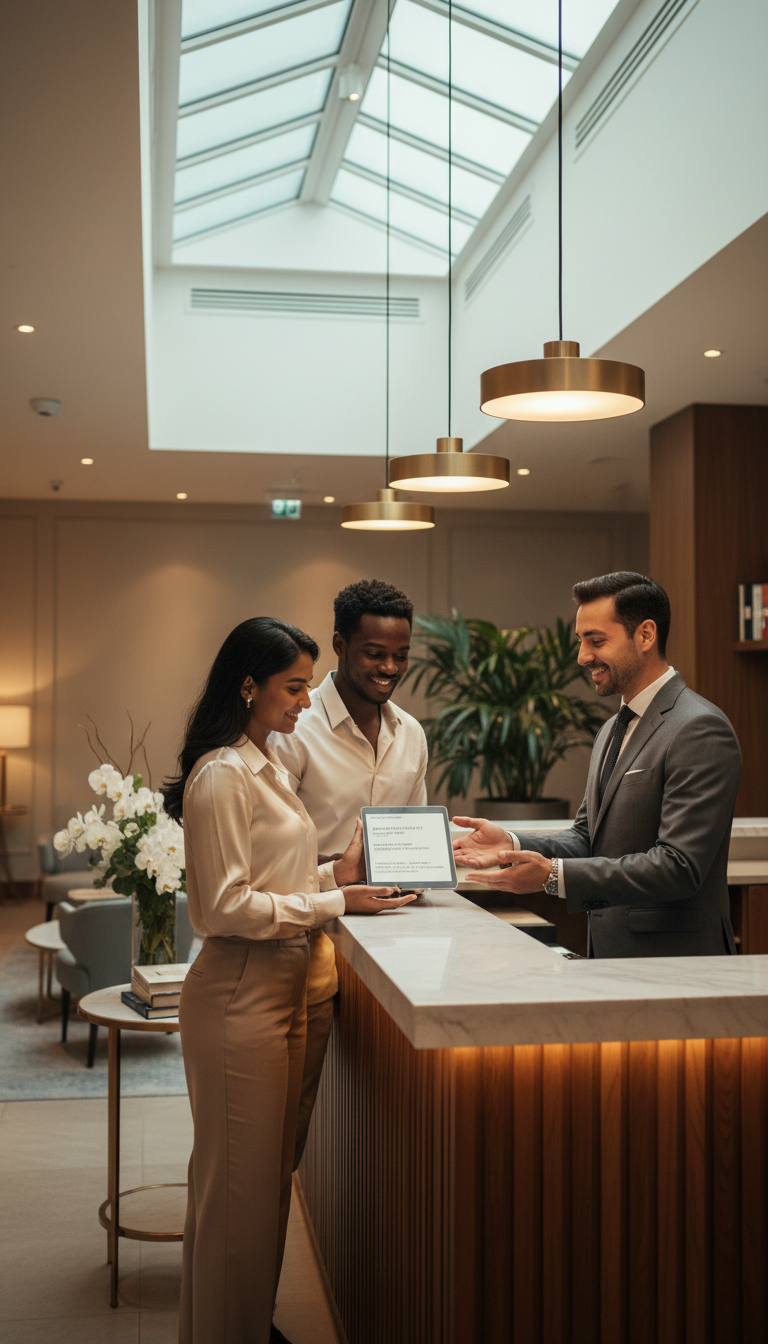
The integration of smart glass also played a crucial role in enhancing the guest experience. The ability to customize the ambiance of their rooms provided guests with a unique and luxurious stay. The smart glass contributed to a sleek, modern aesthetic that resonated with the hotel's brand image.
Conclusion: A Successful Transformation
The collaboration between Sensaglass and the hospitality venue resulted in a remarkable transformation. By leveraging smart glass technology, the hotel not only achieved its design and functional goals but also set a new standard for modern hospitality environments.
As the demand for innovative solutions in architecture and design continues to grow, Sensaglass remains a leader in delivering state-of-the-art smart glass products that redefine spaces and enhance experiences.