
Case Study: Transforming a London Hotel with Smart Glass


Introduction to Smart Glass in Hospitality
The hospitality industry is constantly evolving, with technology playing a crucial role in enhancing guest experiences. One of the latest innovations transforming the sector is smart glass technology. This case study explores how a renowned London hotel has successfully integrated smart glass to elevate its services and appeal to modern travelers.
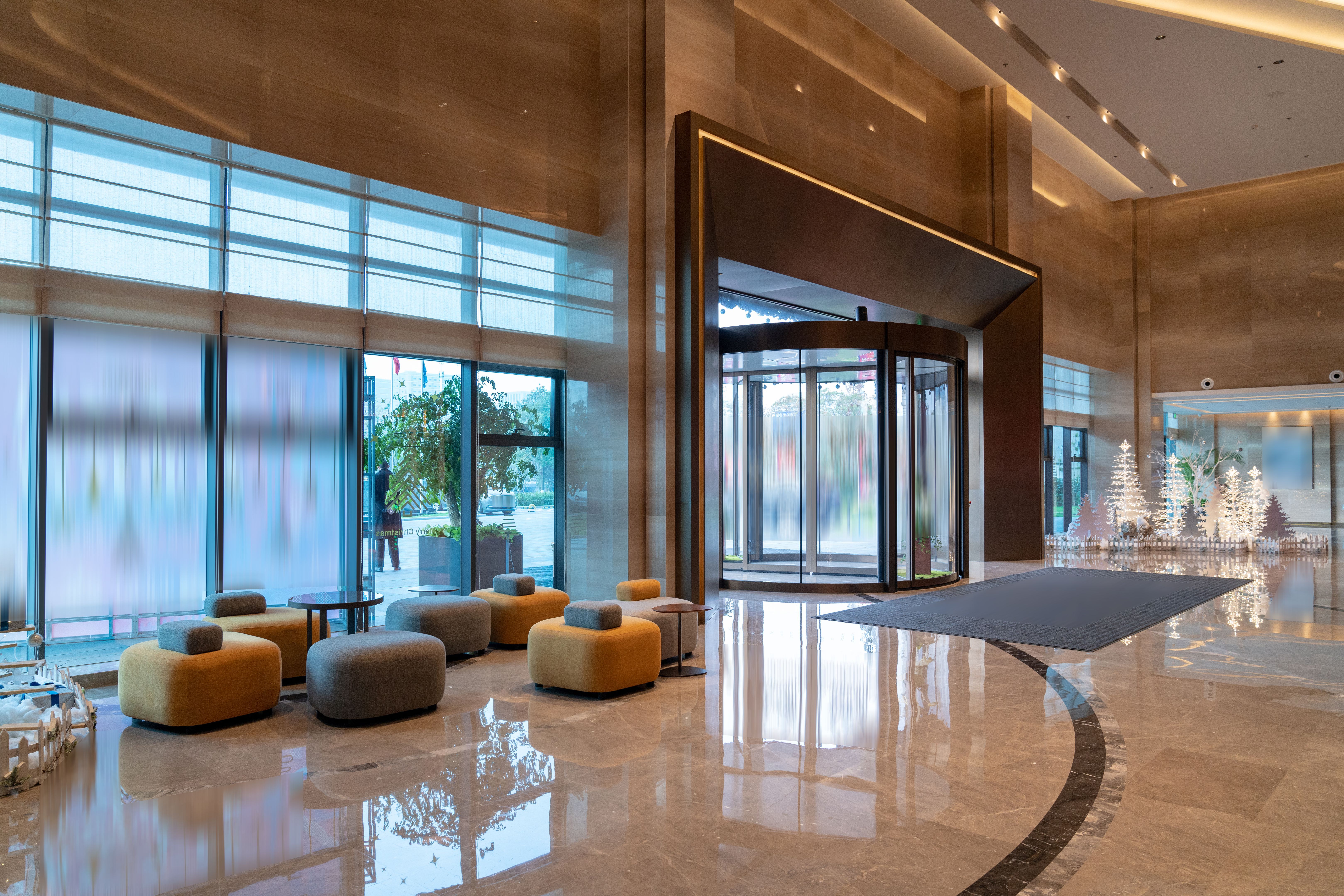
The Challenge: Enhancing Guest Experience
In the competitive landscape of London’s hospitality scene, hotels must consistently find ways to stand out. The hotel in question faced challenges in providing a unique yet functional guest experience. Traditional windows offered limited flexibility in privacy and ambiance control, which hindered the ability to customize rooms according to guest preferences.
Guest Privacy and Comfort
Privacy is a top priority for guests, especially in urban settings. The hotel needed a solution that allowed guests to enjoy natural light without compromising their privacy. Additionally, the solution had to be aesthetically pleasing and seamlessly integrate with the hotel’s modern design.
Implementing Smart Glass Solutions
The decision to implement smart glass technology was driven by its versatility and innovative features. Smart glass can transition from transparent to opaque at the touch of a button, providing guests with control over their environment.

Key Features of Smart Glass
- Privacy on Demand: Guests can adjust the glass transparency, ensuring privacy without the need for curtains or blinds.
- Energy Efficiency: Smart glass helps regulate room temperature, reducing the need for excessive heating or cooling.
- Modern Aesthetics: The sleek design of smart glass complements the hotel's contemporary architecture.
Benefits Realized
Since the installation of smart glass, the hotel has observed several benefits. Guest satisfaction scores have increased, with many guests praising the innovative and luxurious feel of the rooms. Additionally, the energy efficiency of smart glass has contributed to reduced operational costs.

Positive Environmental Impact
By reducing the need for artificial lighting and temperature control, smart glass has also decreased the hotel’s carbon footprint. This aligns with the growing trend of eco-friendly practices in hospitality, appealing to environmentally conscious travelers.
Conclusion: A Model for Innovation
This case study highlights the transformative impact of smart glass technology in the hospitality industry. By prioritizing guest comfort and environmental sustainability, the hotel has set a benchmark for innovation. As technology continues to evolve, smart glass remains a promising solution for hotels seeking to enhance their offerings and stay ahead in a competitive market.