
Choosing the Right Heat Reducing Window Film: A Comprehensive Guide


Understanding Heat Reducing Window Film
Choosing the right heat reducing window film can make a significant difference in your home's comfort and energy efficiency. These films are designed to block infrared rays, reduce glare, and help maintain a consistent indoor temperature. With various options available, it's essential to understand their features and benefits to make an informed decision.

Types of Heat Reducing Window Films
Heat reducing window films come in several types, each with its unique properties. The main types include:
- Dyed Films: These are affordable and provide good glare reduction but may not offer the best heat rejection.
- Metalized Films: Known for their excellent heat and UV blocking properties, these films can interfere with electronic signals.
- Ceramic Films: Offering high clarity and superior heat rejection without signal interference, ceramic films are a premium choice.
Benefits of Installing Window Films
Installing heat reducing window films provides numerous advantages beyond just cooling your space. These benefits include:
- Energy Savings: By reducing the need for air conditioning, window films can lower your energy bills.
- UV Protection: They block up to 99% of harmful UV rays, protecting your furniture and skin.
- Enhanced Privacy: Certain films enhance privacy by reducing visibility from the outside.
Factors to Consider When Choosing a Film
When selecting a heat reducing window film, consider several factors to ensure you choose the best option for your needs:
Climate and Location
Your local climate plays a crucial role in determining the right film. In hotter regions, films with higher heat rejection rates are ideal. Additionally, consider the direction your windows face, as south and west-facing windows receive the most sunlight.
Quality and Durability
Investing in a high-quality film ensures better performance and longevity. Look for films with warranties and those made from durable materials that resist fading and peeling.
Professional Installation vs. DIY
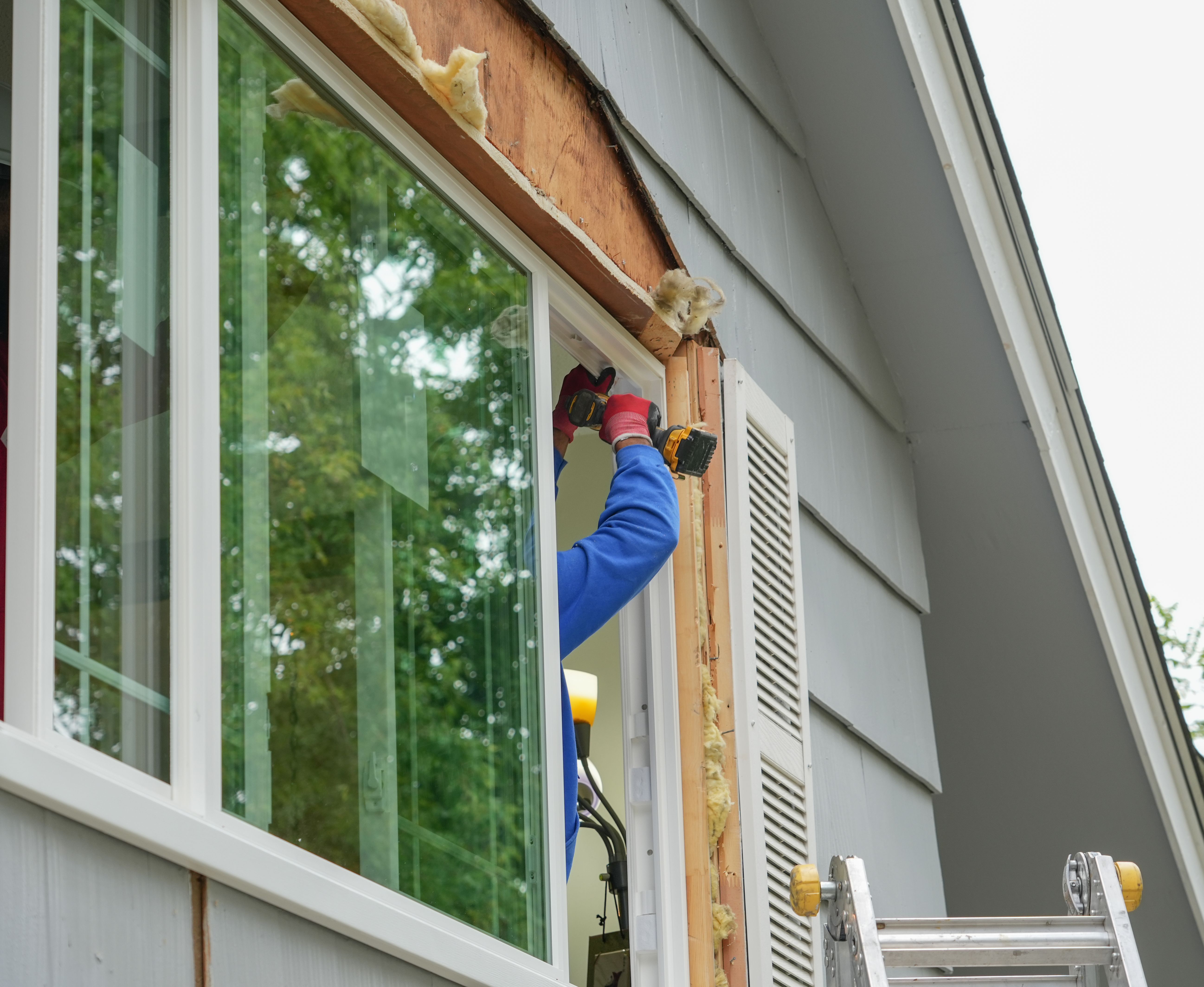
While DIY installation can save money, professional installation guarantees optimal results. Professionals have the expertise and tools to apply the film smoothly, avoiding bubbles and imperfections.
Conclusion
In conclusion, choosing the right heat reducing window film involves understanding the types available, assessing your specific needs, and considering factors like climate and installation preferences. By selecting the appropriate film, you can enhance your home’s comfort, protect your interiors, and achieve energy savings. Whether you opt for a DIY approach or hire professionals, the right film will be a valuable addition to your home.