
Choosing the Right Switchable Smart Glass for Your Space: A Comprehensive Comparison


Switchable smart glass is revolutionizing the way we manage privacy and lighting in various spaces, from homes to offices. With its ability to change from transparent to opaque on demand, it offers a blend of style and functionality. Choosing the right smart glass for your space can be overwhelming due to the variety of options. This guide will help you make an informed decision.
Understanding Switchable Smart Glass
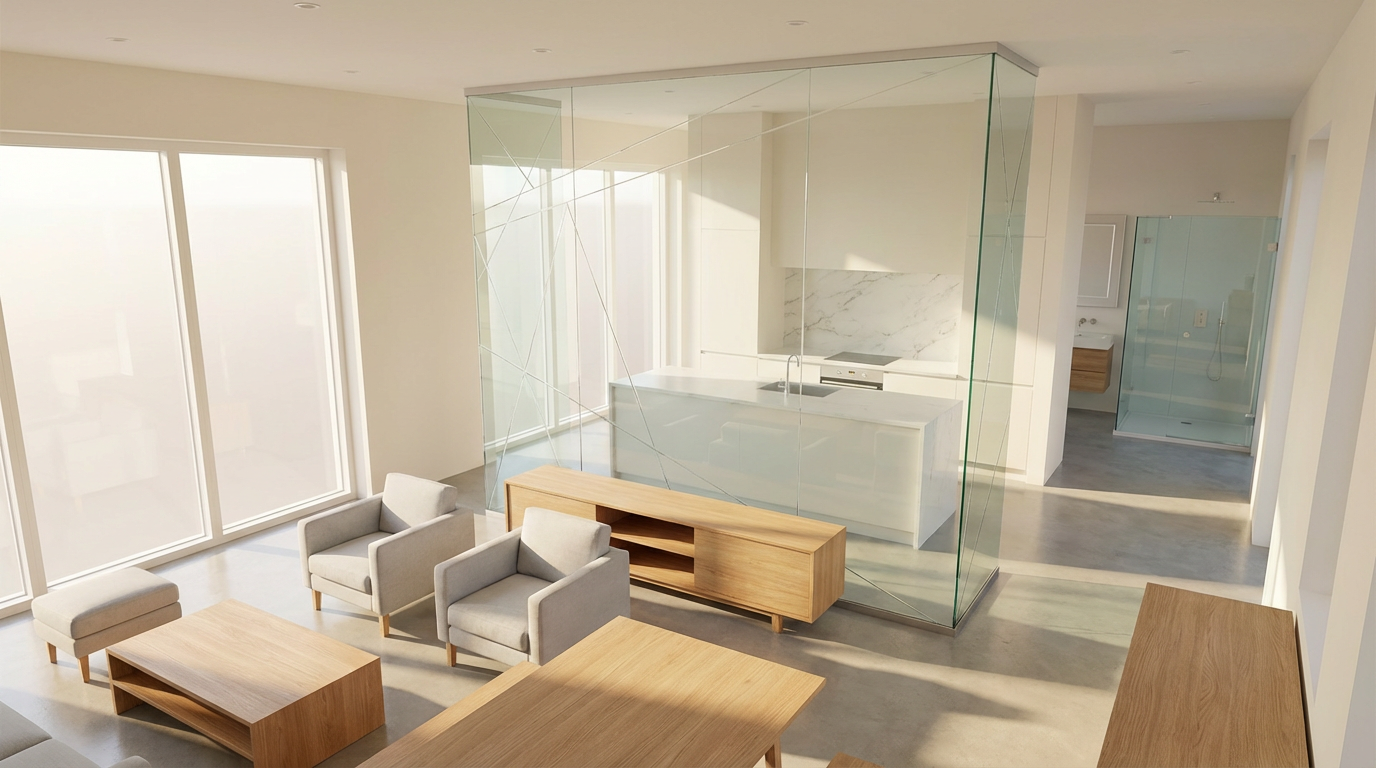
Switchable smart glass, also known as privacy glass, uses advanced technology to alter its appearance. This is achieved through liquid crystal or suspended particle device (SPD) technology. When the glass is switched on, these elements align to allow light through, making the glass clear. When off, they scatter, rendering the glass opaque.
The primary advantage of smart glass is its ability to provide privacy without sacrificing natural light. It's also energy efficient, reducing the need for blinds or curtains. However, selecting the right type requires careful consideration of several factors.
Factors to Consider
Technology Type
There are mainly two types of technologies used in switchable smart glass: PDLC (Polymer Dispersed Liquid Crystal) and SPD (Suspended Particle Device). PDLC is more common in residential settings due to its cost-effectiveness, while SPD offers faster switching and is often used in commercial spaces.
Application Purpose
Determine the primary purpose of the smart glass in your space. Is it for privacy, energy efficiency, or aesthetic appeal? For instance, PDLC is ideal for privacy applications, whereas SPD might be better suited for environments requiring quick transitions.

Comparing Features
Privacy and Transparency Levels
Different smart glasses offer varying levels of transparency and privacy. Some provide complete opacity when switched off, while others are semi-transparent. Consider your privacy needs and how much natural light you want to retain.
Cost Considerations
The cost of switchable smart glass can vary significantly based on the technology and features. PDLC glass is generally more affordable, making it suitable for budget-conscious projects. SPD glass, while more expensive, offers superior performance in terms of speed and clarity.
Installation and Maintenance
Installation is a critical factor in the performance of smart glass. It must be done by professionals to ensure proper functioning. Additionally, maintenance involves regular cleaning and checking the electrical components, as improper care can affect durability.
It's also essential to consider the long-term benefits, such as energy savings and increased property value, which can offset the initial installation costs.
Conclusion
Choosing the right switchable smart glass for your space involves evaluating your specific needs and budget. By considering the type of technology, application purpose, and cost, you can select a product that enhances privacy, aesthetics, and energy efficiency. Whether for a home or commercial setting, the right smart glass can transform your environment.