
Common Misconceptions About Smart Glass: What You Need to Know


Understanding Smart Glass Technology
Smart glass, also known as switchable glass, is rapidly gaining popularity in various industries. However, there are several misconceptions surrounding this innovative technology. In this post, we'll explore some common myths and provide the clarity you need to make informed decisions.

Myth 1: Smart Glass is Just for Aesthetic Appeal
One prevalent misconception is that smart glass is purely for aesthetic purposes. While it does add a modern touch to any space, its benefits extend far beyond looks. Smart glass can significantly improve energy efficiency by controlling the amount of light and heat entering a room, reducing the need for artificial lighting and air conditioning.
Moreover, smart glass enhances privacy without sacrificing natural light, making it ideal for offices and homes alike. Its ability to become opaque or transparent at the flick of a switch adds a functional aspect that is often overlooked.
Myth 2: Smart Glass is Too Expensive
Another common belief is that smart glass is prohibitively expensive. While it's true that the initial costs may be higher compared to traditional glass, the long-term savings can be substantial. By reducing energy consumption, smart glass can lower utility bills, offering a return on investment over time.

Additionally, the price of smart glass is decreasing as the technology becomes more widespread and production processes improve. This makes it a more accessible option for both residential and commercial projects.
Myth 3: Smart Glass is Difficult to Maintain
Many people assume that smart glass requires complex maintenance. In reality, it's quite the opposite. Smart glass is designed to be durable and low-maintenance. Regular cleaning with standard glass cleaners is usually sufficient to keep it in top condition.
Its robust construction also means that smart glass can withstand various environmental factors, reducing the need for frequent repairs or replacements.
Myth 4: Smart Glass is Only Suitable for New Constructions
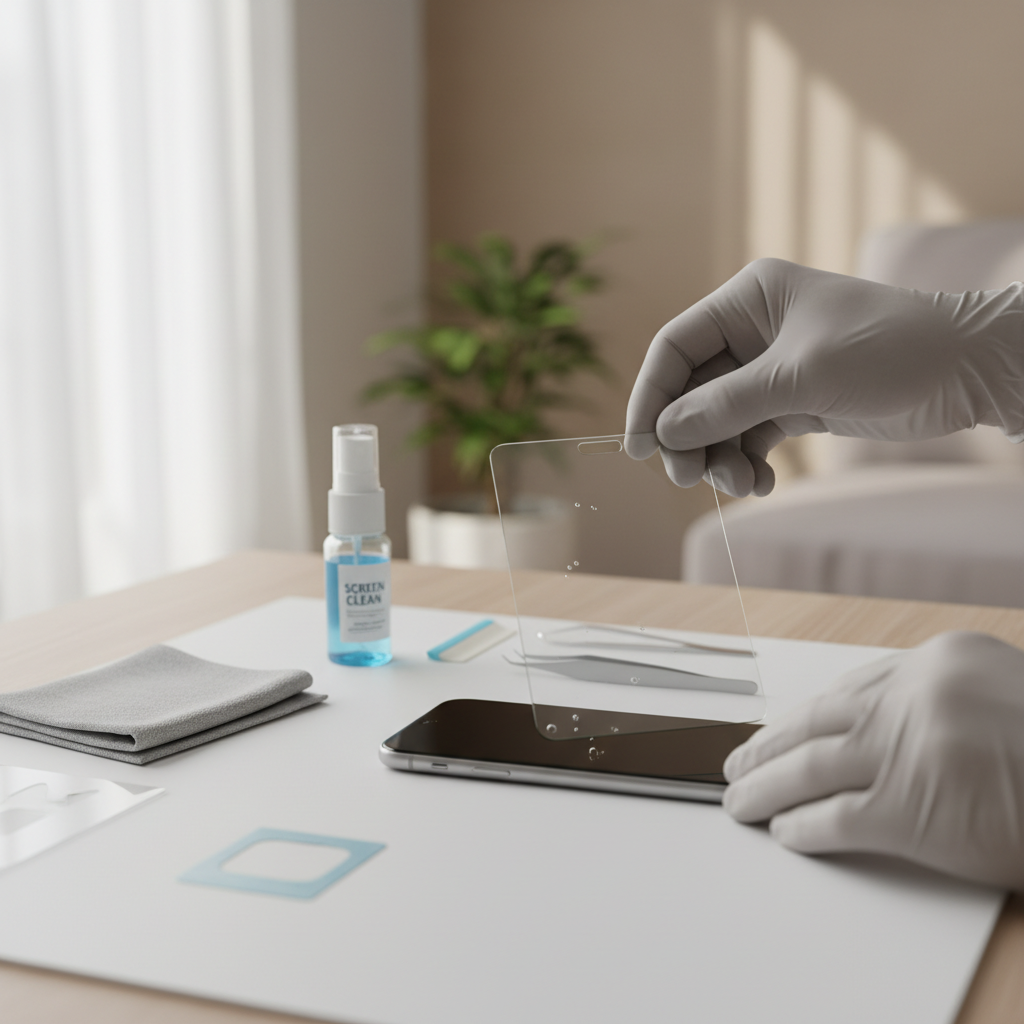
There is a misconception that smart glass can only be used in new buildings. However, it can be retrofitted into existing structures with relative ease. This flexibility allows for modern upgrades without the need for extensive renovations.
Retrofitting smart glass can enhance the functionality and appeal of older buildings, making it a versatile option for various architectural styles.
Conclusion
Smart glass is a versatile and practical solution for modern-day architecture. By dispelling these common misconceptions, you can better appreciate the true potential of this innovative technology. Whether you're considering smart glass for energy efficiency, privacy, or aesthetic reasons, understanding the facts will help you make the best decision for your needs.