
Common Misconceptions About Smart Glass Debunked


Understanding Smart Glass Technology
Smart glass technology has gained significant attention in recent years, but with its rise in popularity, several misconceptions have emerged. It's important to address these misunderstandings to fully appreciate the benefits and potential of smart glass. Let's explore some of the most common misconceptions and set the record straight.

Misconception 1: Smart Glass is Only for Commercial Use
Many people assume that smart glass is designed exclusively for commercial buildings or office spaces. While it's true that smart glass is popular in these settings, its applications extend far beyond. Residential homes, healthcare facilities, and even vehicles can benefit from smart glass technology. Its ability to control light and improve energy efficiency makes it a valuable asset in various environments.
Cost and Affordability
One of the biggest barriers to adopting new technology is cost. However, the perception that smart glass is prohibitively expensive is not entirely accurate. While the initial investment may be higher than traditional glass, the long-term savings on energy bills and enhanced privacy can offset the initial costs. In the long run, smart glass can be a cost-effective solution.
Misconception 2: Smart Glass is Complicated to Use
Another common misconception is that smart glass is difficult to operate. In reality, most smart glass systems are user-friendly and can be controlled via simple switches, remote controls, or even smartphone apps. The technology is designed to integrate seamlessly into daily life, offering convenience alongside its innovative features.
Privacy and Security Concerns
Privacy is a paramount concern for many when considering new technology. Some believe that smart glass may compromise privacy due to its transparent nature. However, smart glass can be adjusted to various opacities, ensuring privacy when needed. With a simple switch, it can transform from clear to frosted, providing an extra layer of security and discretion.

Misconception 3: Smart Glass is Not Durable
Durability is another area where misconceptions abound. Some potential users worry that smart glass might be fragile or prone to damage. On the contrary, smart glass is manufactured to be robust and long-lasting. It undergoes rigorous testing to withstand daily wear and tear, making it a reliable choice for both residential and commercial applications.
Environmental Impact
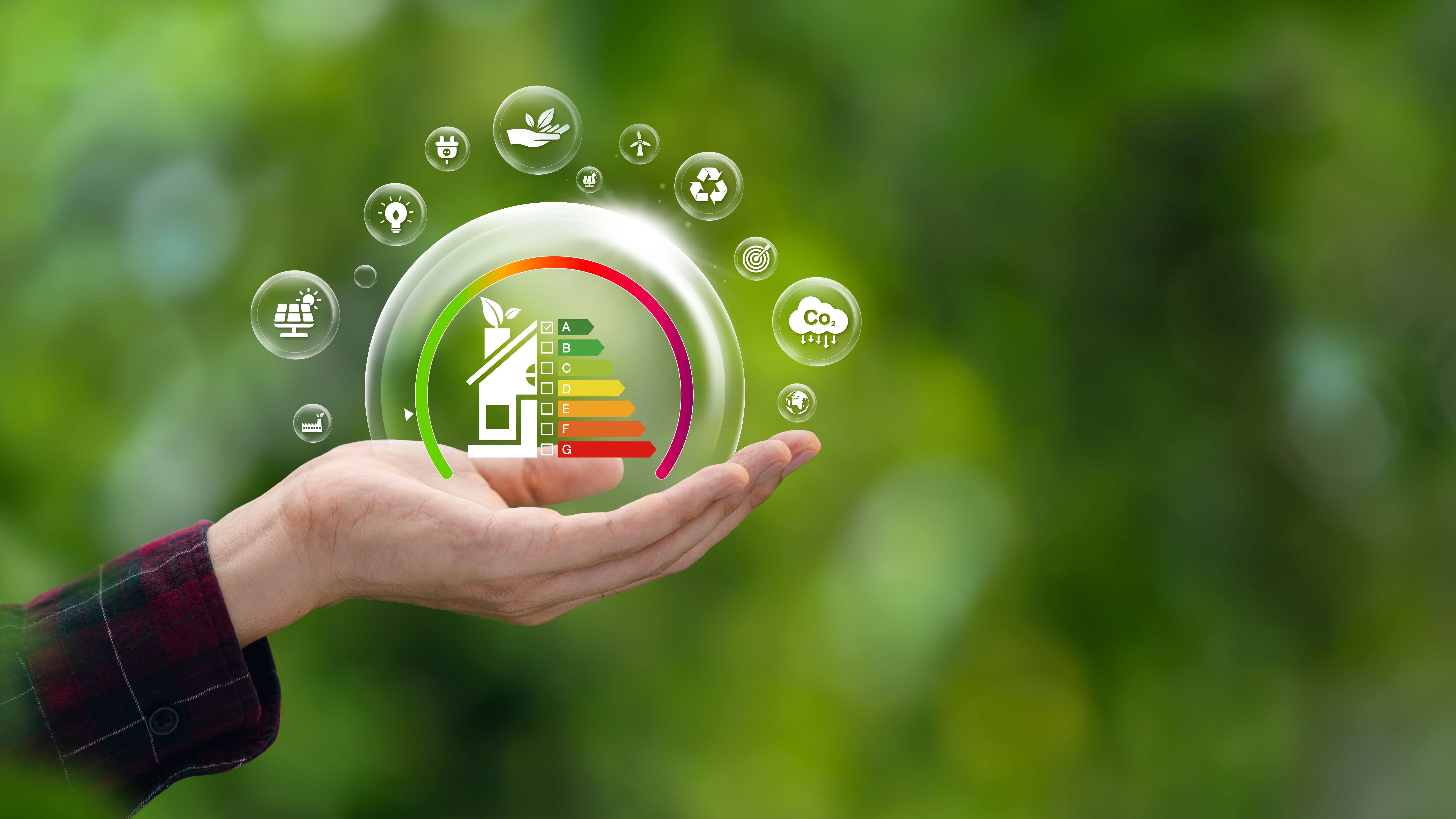
Finally, let's address the environmental impact of smart glass. There is a belief that creating smart glass involves processes harmful to the environment. However, modern manufacturing techniques emphasize sustainability, and the energy savings provided by smart glass contribute positively to reducing overall carbon footprints. Its ability to regulate indoor temperatures can significantly lower energy consumption, promoting a greener future.