
Comparing Smart Glass and Traditional Blinds: Which is Right for You?


Understanding Smart Glass and Traditional Blinds
When it comes to managing light and privacy in your home or office, smart glass and traditional blinds are two popular options. Each has its unique benefits and drawbacks, making the choice between them dependent on your specific needs and preferences.
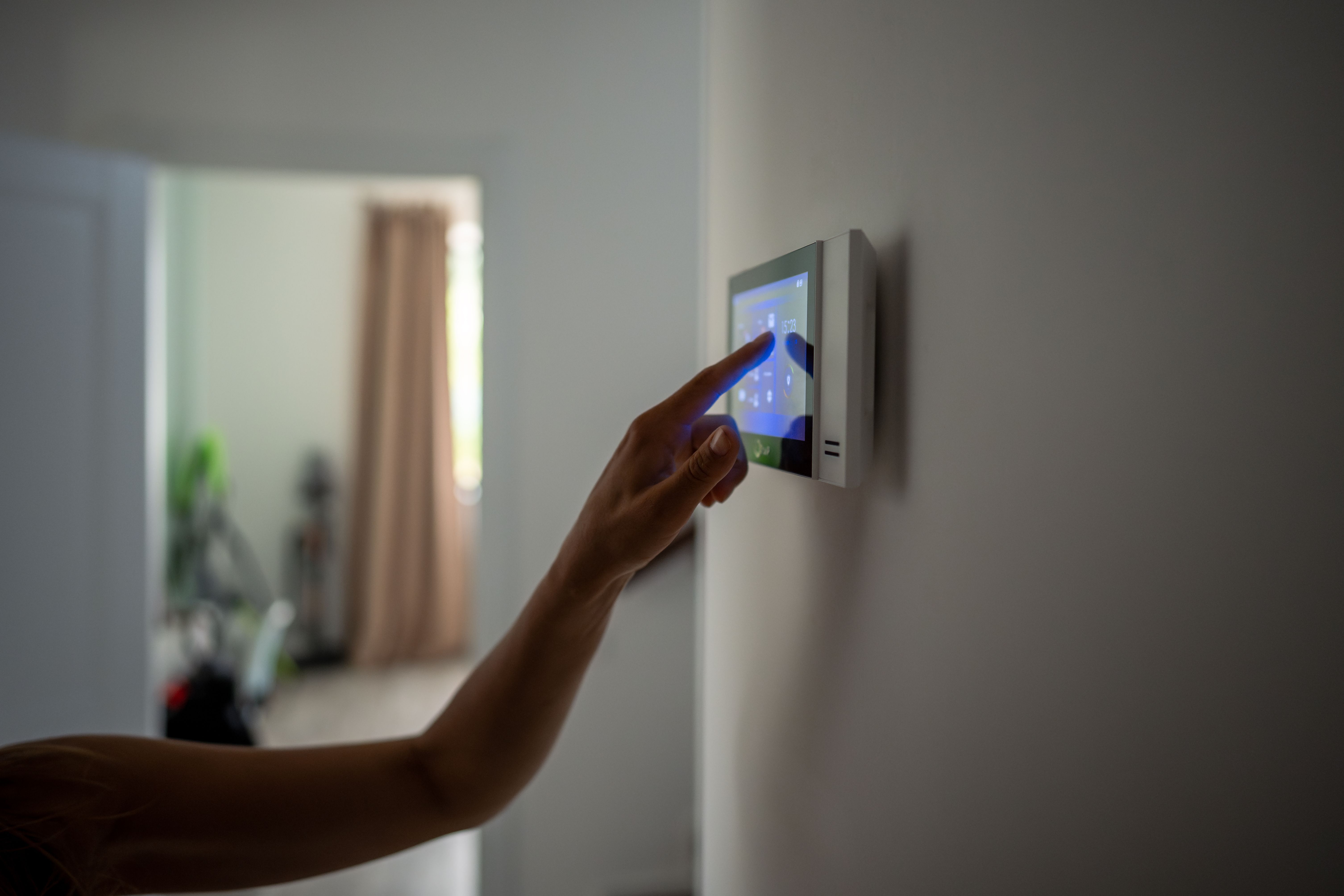
Smart glass, also known as switchable glass, uses advanced technology to transition from clear to opaque at the touch of a button. Traditional blinds, on the other hand, are a more conventional solution, available in various styles and materials.
Benefits of Smart Glass
One of the primary advantages of smart glass is its ability to provide privacy without obstructing views. With a simple switch, you can change the glass from transparent to frosted, offering flexibility in how you use your space.
Smart glass is also energy-efficient. By controlling the amount of light and heat entering a room, it can help reduce energy costs. Additionally, it offers a sleek, modern look that can enhance the aesthetic of any environment.
Drawbacks of Smart Glass
Despite its benefits, smart glass can be significantly more expensive than traditional blinds. The installation process is also more complex, often requiring professional assistance. Maintenance and repairs can be costly as well.
Moreover, smart glass requires a power source to function. In the event of a power outage, its functionality may be compromised, leaving you without control over your privacy settings.
Pros of Traditional Blinds
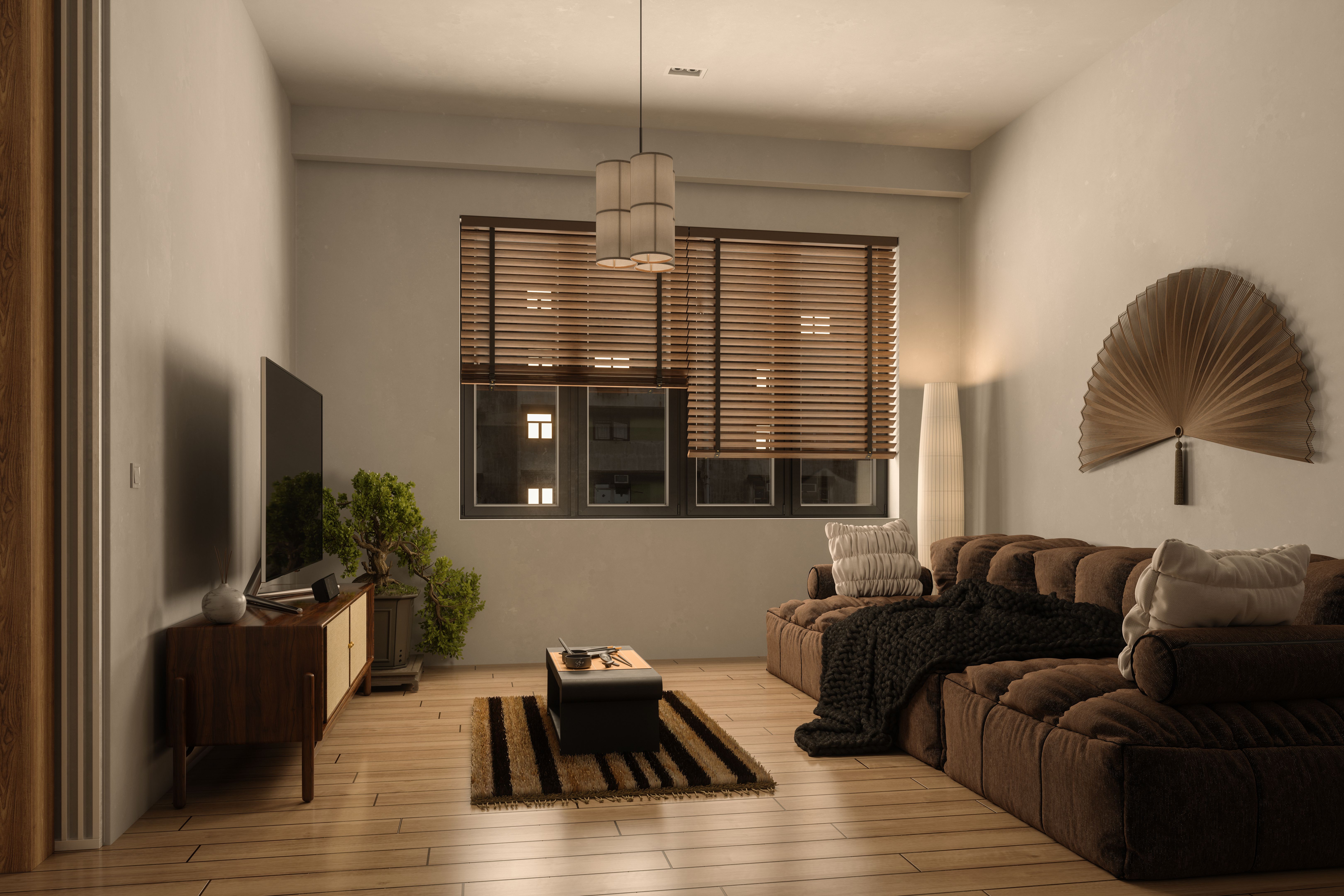
Traditional blinds are a cost-effective solution for light and privacy control. They come in a wide range of materials, colors, and styles, allowing for customization to match your interior decor.
Installation is generally straightforward, and they can be easily replaced or upgraded. Maintenance is minimal, usually requiring just regular dusting and occasional cleaning.
Cons of Traditional Blinds
While traditional blinds are versatile, they may not offer the same level of aesthetic appeal as smart glass. Blinds can also accumulate dust and allergens, making them less suitable for allergy sufferers.
In terms of energy efficiency, traditional blinds might not match the capabilities of smart glass, particularly in regulating temperature and light intensity.
Making the Right Choice
When deciding between smart glass and traditional blinds, consider your budget, aesthetic preferences, and functional needs. If modern technology and energy efficiency are priorities, smart glass might be the right choice. However, if you're looking for a cost-effective, easy-to-maintain solution, traditional blinds could be more suitable.
Ultimately, the decision will depend on your specific circumstances. Evaluate the pros and cons of each option to determine which aligns best with your lifestyle and space requirements.