
Comparing Smart Glass and Traditional Privacy Solutions: Which is Right for You?


Understanding Smart Glass
Smart glass, also known as switchable glass, is an innovative technology that allows you to control the transparency of glass surfaces. This is achieved through various methods, such as liquid crystal and electrochromic technologies. Smart glass can be transformed from clear to opaque with the flick of a switch, providing privacy and energy efficiency.
The primary advantage of smart glass is its ability to adapt to changing needs. Whether you're looking to create an open, inviting space or require privacy, smart glass can cater to both without the need for additional window treatments.

Traditional Privacy Solutions
Traditional privacy solutions typically include blinds, curtains, and frosted glass. These methods have been used for decades and are widely regarded for their simplicity and effectiveness. Blinds and curtains offer flexibility, allowing you to adjust the amount of light entering a room, while frosted glass provides permanent privacy.
However, traditional solutions can sometimes lack the modern aesthetic and convenience that smart glass provides. They may also require more maintenance, as curtains and blinds can collect dust and require regular cleaning.
Comparing Cost and Installation
When it comes to cost, traditional solutions generally have a lower initial price point. Blinds and curtains are affordable and easy to install. On the other hand, smart glass requires a more significant upfront investment due to its advanced technology and installation process.
However, it's important to consider the long-term benefits. Smart glass can reduce energy costs by controlling the amount of heat entering or leaving a space, potentially saving money over time.

Convenience and Control
One of the standout features of smart glass is the convenience it offers. With smart glass, you can control privacy settings remotely via a smartphone app or even integrate it with a smart home system. This level of control can be particularly valuable in commercial settings, where privacy needs may change throughout the day.
Traditional solutions, while straightforward, lack this level of control and automation. Adjustments must be made manually, which can be inconvenient in large or multi-functional spaces.
Aesthetic Considerations
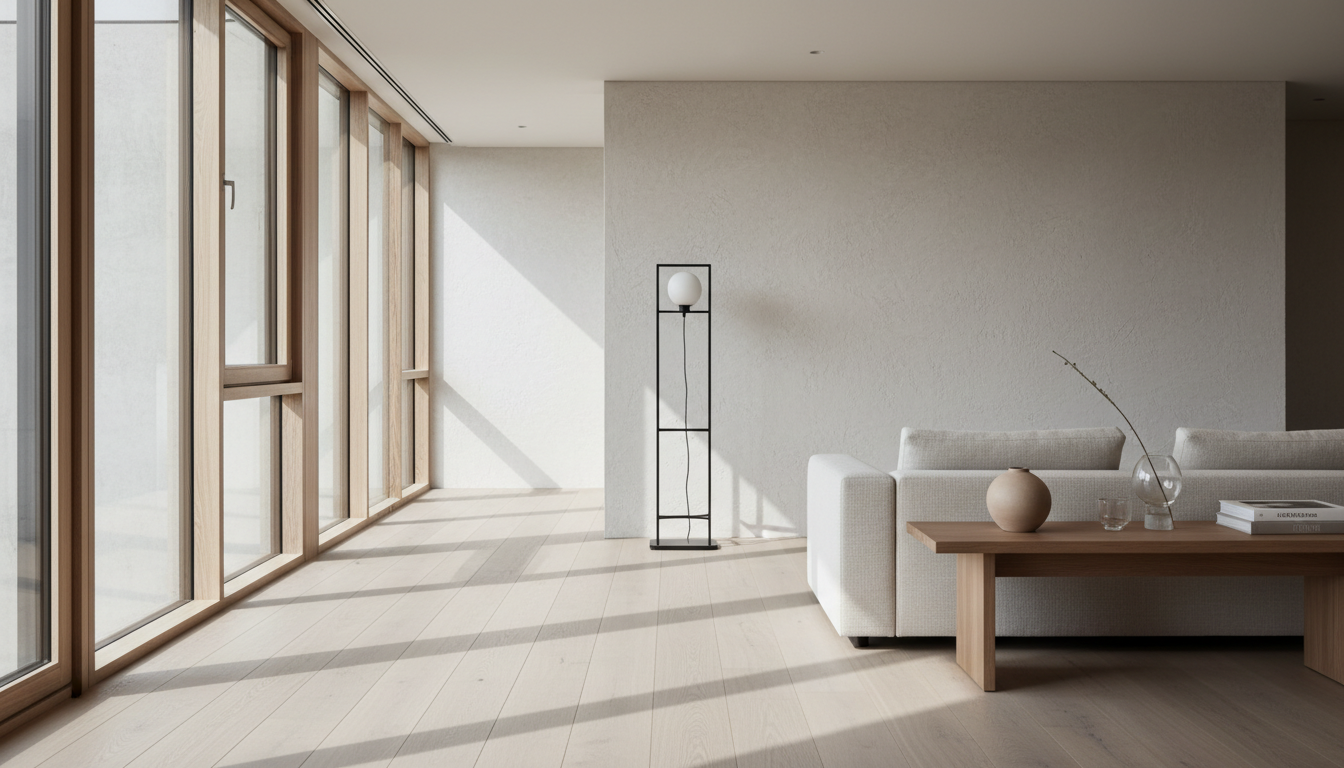
In terms of aesthetics, smart glass offers a sleek, modern look that can enhance the architectural design of a space. Its ability to switch between clear and opaque states provides versatility in design, allowing for minimalistic and uncluttered interiors.
Traditional privacy solutions, such as drapes and blinds, offer a wide variety of styles and materials, allowing for more personalized and decorative options. However, they may not always complement contemporary designs as effectively as smart glass.
Making the Right Choice
The decision between smart glass and traditional privacy solutions ultimately depends on your specific needs and preferences. If you prioritize modern aesthetics, convenience, and long-term energy savings, smart glass may be the ideal choice. However, if budget constraints and simplicity are more important, traditional solutions could be more suitable.
Consider how each option aligns with your lifestyle or business needs. Whether you choose the cutting-edge technology of smart glass or the reliable functionality of traditional solutions, both can effectively address your privacy concerns.