
Debunking Common Myths About Smart Glass Technology


Understanding Smart Glass Technology
Smart glass technology has been gaining attention for its innovative applications in various industries. From architecture to automotive, this technology offers dynamic control over light and heat. However, despite its potential, several misconceptions still surround it. In this post, we'll debunk some common myths and shed light on the real capabilities of smart glass.

Myth 1: Smart Glass Is Too Expensive
One of the most pervasive myths is that smart glass is prohibitively expensive. While it's true that the initial cost can be higher than traditional glass, the long-term savings on energy bills can offset this expense. Smart glass reduces the need for blinds, curtains, and excessive air conditioning, leading to significant energy savings over time.
Moreover, as the technology matures, the production costs are decreasing, making it more accessible to a broader audience. It's essential to consider the total cost of ownership rather than just the upfront cost.
Myth 2: Smart Glass Is Not Durable
Another common misconception is that smart glass is fragile or less durable than traditional glass. In reality, smart glass is designed to withstand various environmental conditions. It undergoes rigorous testing to ensure it meets industry standards for safety and durability.
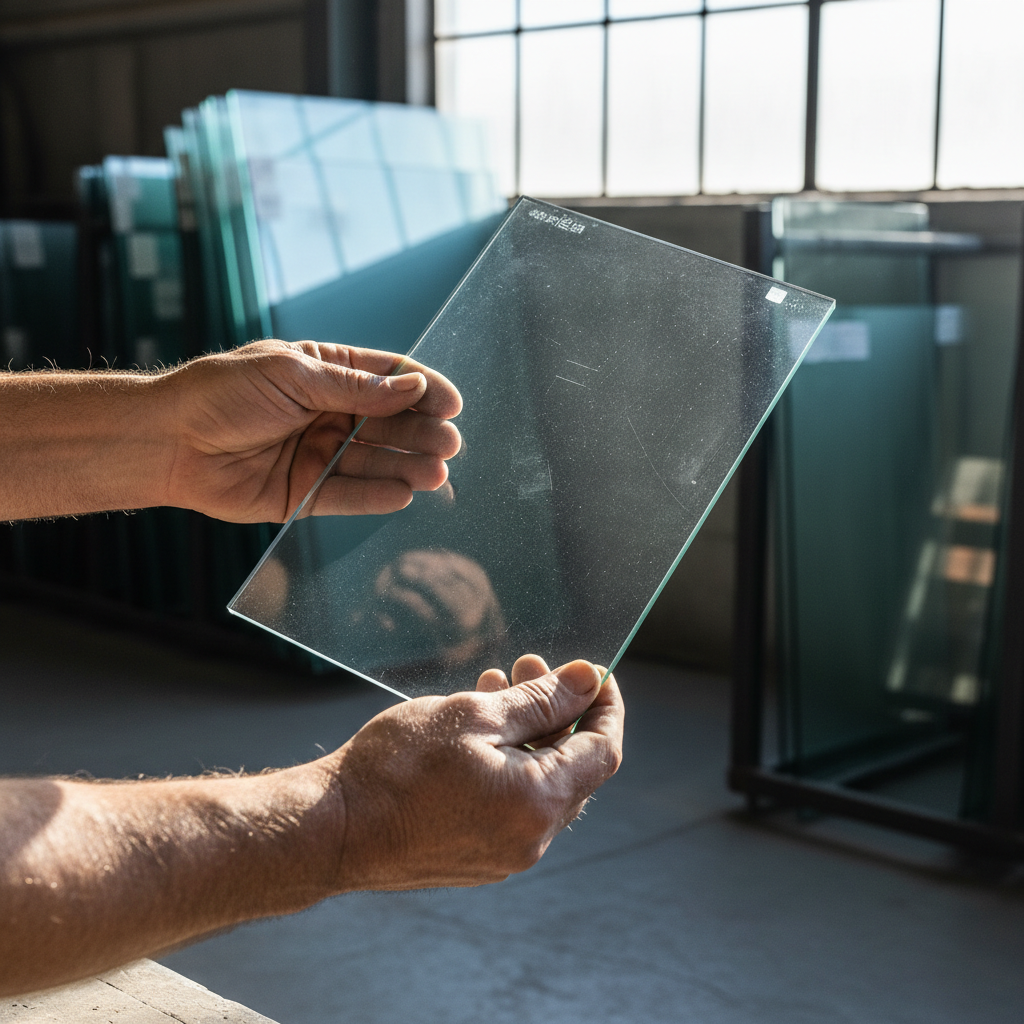
Most smart glass products come with warranties that cover performance and durability, so consumers can be confident in their investment.
Myth 3: Smart Glass Is Difficult to Maintain
Many potential users worry about the maintenance of smart glass, assuming it requires specialized care. However, smart glass is relatively easy to maintain. Regular cleaning with standard glass cleaners is usually sufficient.
Additionally, the electronic components of smart glass are sealed within the glass itself, protecting them from damage and exposure. This ensures a low-maintenance, hassle-free experience for users.
Myth 4: Smart Glass Is Only for Large Buildings
While smart glass is indeed popular in commercial buildings, it's not limited to large-scale projects. Residential applications are on the rise, with homeowners opting for smart glass to enhance privacy, improve energy efficiency, and modernize their living spaces.
- Privacy control
- Energy savings
- Aesthetic appeal
Smart glass offers a customizable solution for homes of all sizes, making it a versatile choice for various applications.
Myth 5: Smart Glass Blocks All Natural Light
A final myth is that smart glass completely blocks natural light, leading to darker interiors. In truth, smart glass can be adjusted to allow varying levels of light to pass through. This adjustability means that users can enjoy natural light without compromising on privacy or thermal comfort.
With smart glass, spaces can be transformed to match the desired ambiance, enhancing both functionality and visual appeal.
In conclusion, smart glass technology offers a range of benefits that debunk these common myths. As the technology continues to evolve, it promises even more applications and opportunities for innovation.