
Debunking Myths About Smart Glass: What You Need to Know


Introduction to Smart Glass
Smart glass technology has been around for some time, yet it remains shrouded in misconceptions. These advanced materials have the potential to revolutionize architecture, workspaces, and even everyday life. However, a number of myths persist, clouding the true potential of this innovative technology.

Myth 1: Smart Glass Is Too Expensive
One of the most common misconceptions is that smart glass is prohibitively expensive. While it's true that the initial investment can be higher than traditional glass, the long-term savings can outweigh these costs. Smart glass can reduce energy bills by regulating indoor temperatures, which decreases the need for heating and cooling.
Furthermore, as the technology becomes more widespread, the costs are decreasing. Many manufacturers offer competitive pricing and even financing options to make smart glass more accessible to a wider audience.
Cost-Benefit Analysis
When considering smart glass, it's important to conduct a cost-benefit analysis. This includes evaluating energy savings, potential tax incentives, and the added value to property. In many cases, the benefits significantly offset the initial investment.

Myth 2: Smart Glass Is Not Durable
Another common myth is that smart glass lacks durability. In reality, smart glass is engineered to meet high standards of strength and resilience. It undergoes rigorous testing to ensure it can withstand various environmental conditions.
In fact, smart glass is often more durable than traditional glass due to its layered construction. It is designed to resist impacts and scratches, making it suitable for both commercial and residential applications.
Long-Lasting Performance
The durability of smart glass means it is a long-term solution. It requires minimal maintenance and can last many years without losing its effectiveness. This durability contributes to its overall cost-effectiveness.
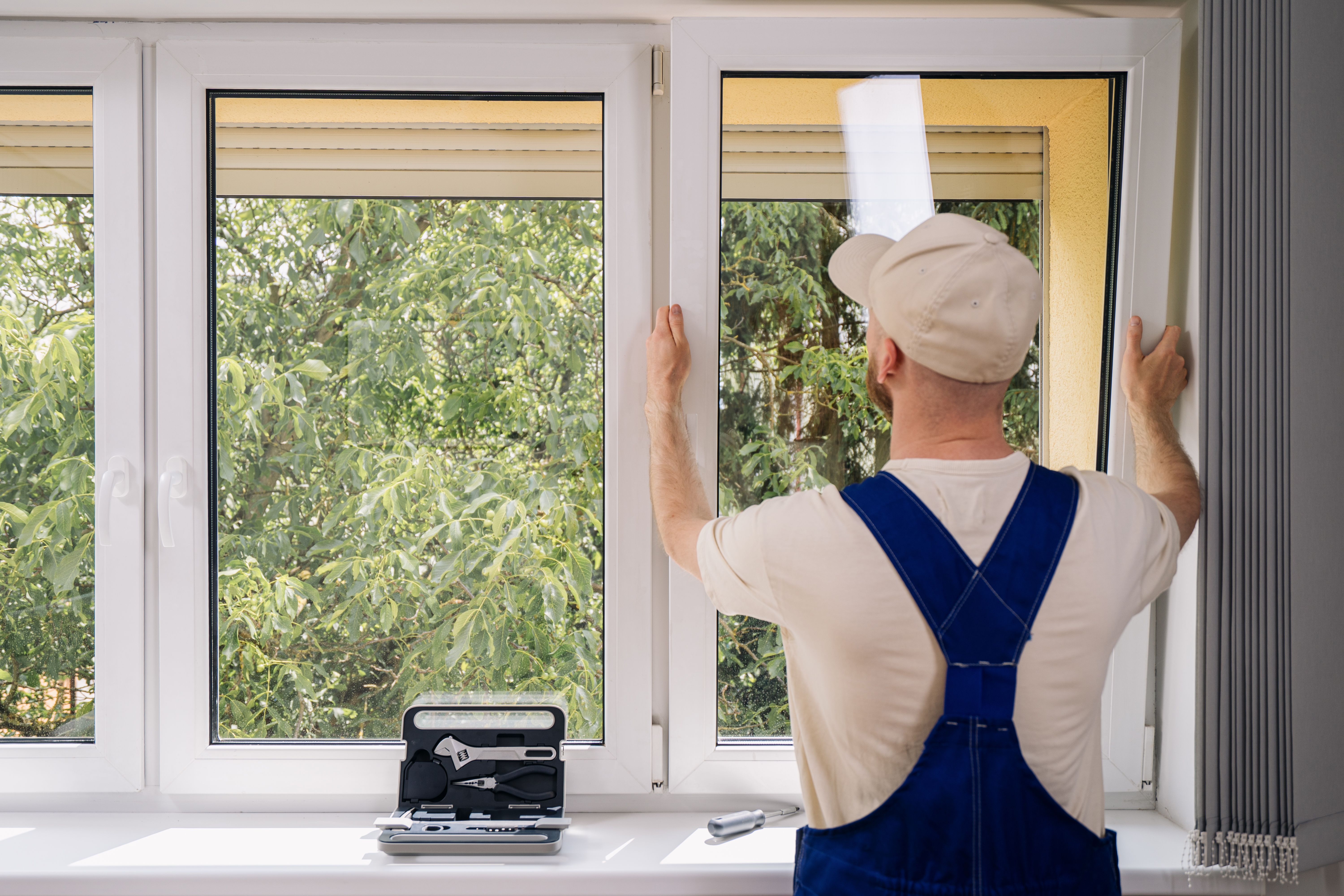
Myth 3: Smart Glass Is Difficult to Install
Some people believe that installing smart glass is a complex and labor-intensive process. However, the installation is typically straightforward and can be completed by professionals in a similar timeframe as standard glass installations.
Moreover, many companies offer comprehensive installation services that include consultation, customization, and support to ensure a smooth integration into existing structures.
Installation Made Easy
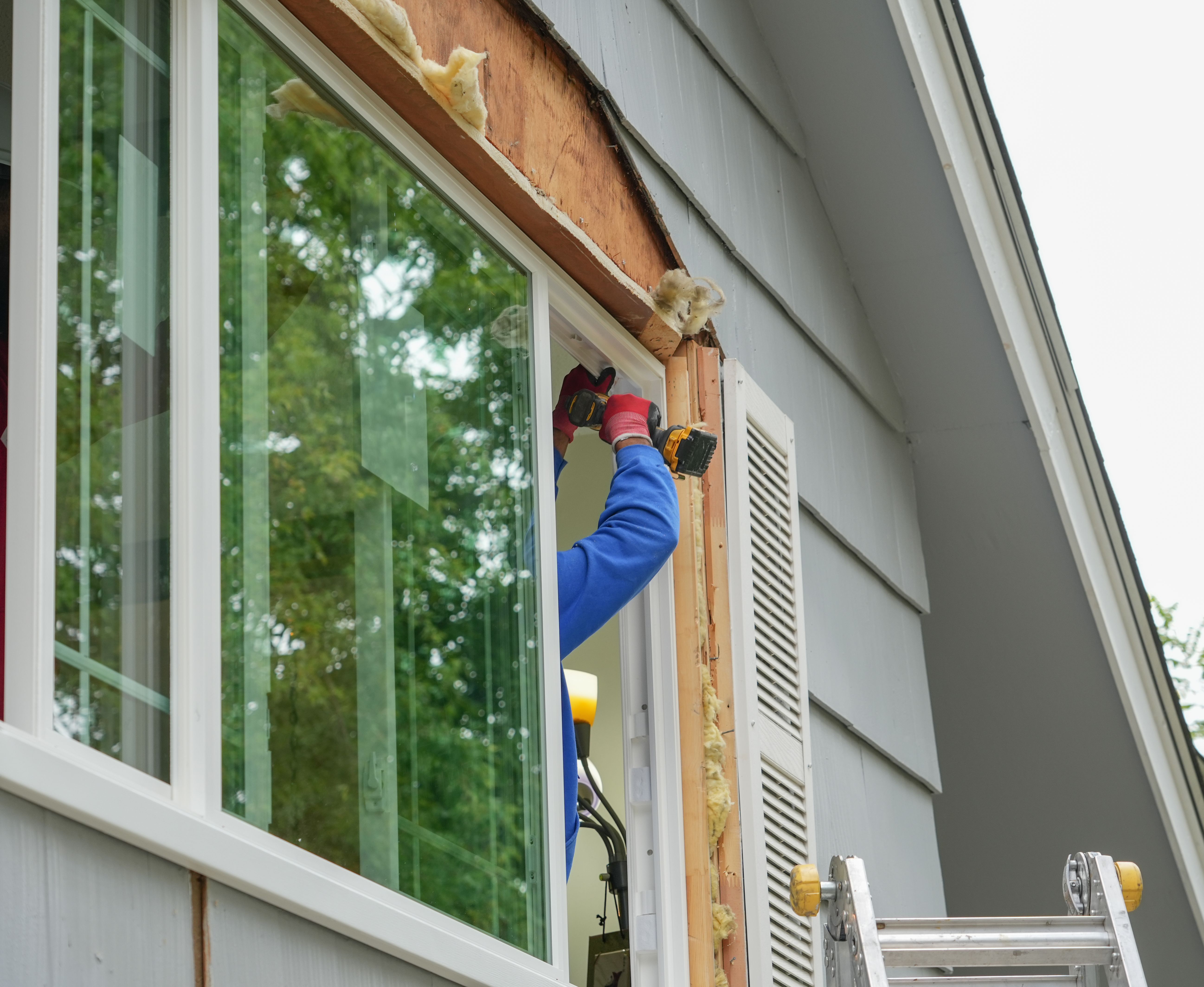
The increasing popularity of smart glass has led to advancements in installation techniques. With expert guidance, smart glass can be seamlessly integrated into new builds or retrofits without significant disruption.
Conclusion: Embracing Smart Glass
Debunking these myths reveals the true potential of smart glass technology. As with any innovation, understanding and education are key to maximizing its benefits. By dispelling these misconceptions, individuals and businesses can make informed decisions about incorporating smart glass into their environments.
As technology continues to evolve, smart glass presents an exciting opportunity to enhance efficiency, aesthetics, and sustainability. Embracing this technology today could pave the way for a smarter, more sustainable future.