
Myth-Busting: Common Misconceptions About Smart Glass Technology


Understanding Smart Glass Technology
Smart glass technology is rapidly transforming the way we interact with our environments. Despite its growing popularity, several misconceptions still surround this innovative technology. In this post, we aim to debunk some of the most common myths.
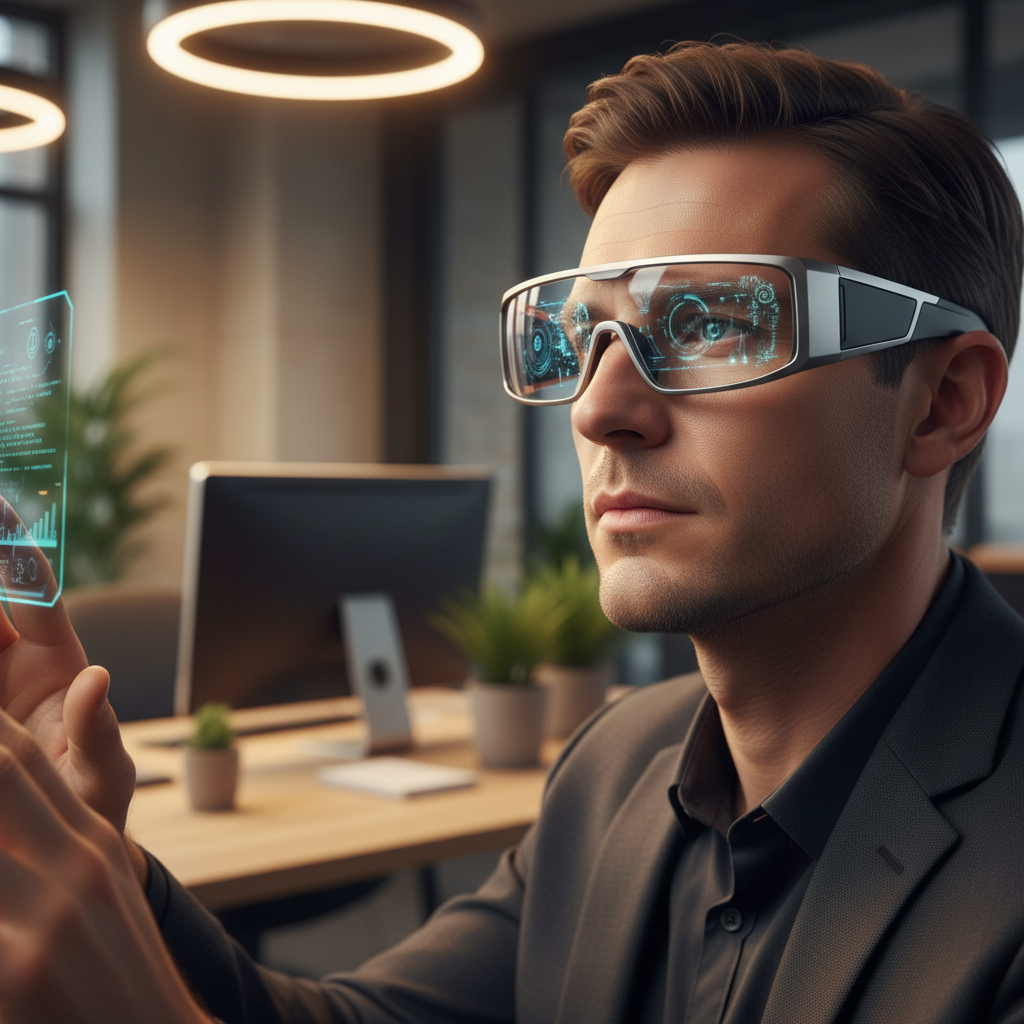
Myth 1: Smart Glass Is Too Expensive for Everyday Use
Many people believe that smart glass is prohibitively expensive and only suitable for high-end applications. While it is true that smart glass can have a higher initial cost compared to traditional glass, the long-term savings in energy and maintenance often outweigh the upfront investment. By regulating light and heat, smart glass can significantly reduce energy bills.
Myth 2: Smart Glass Is Complicated to Operate
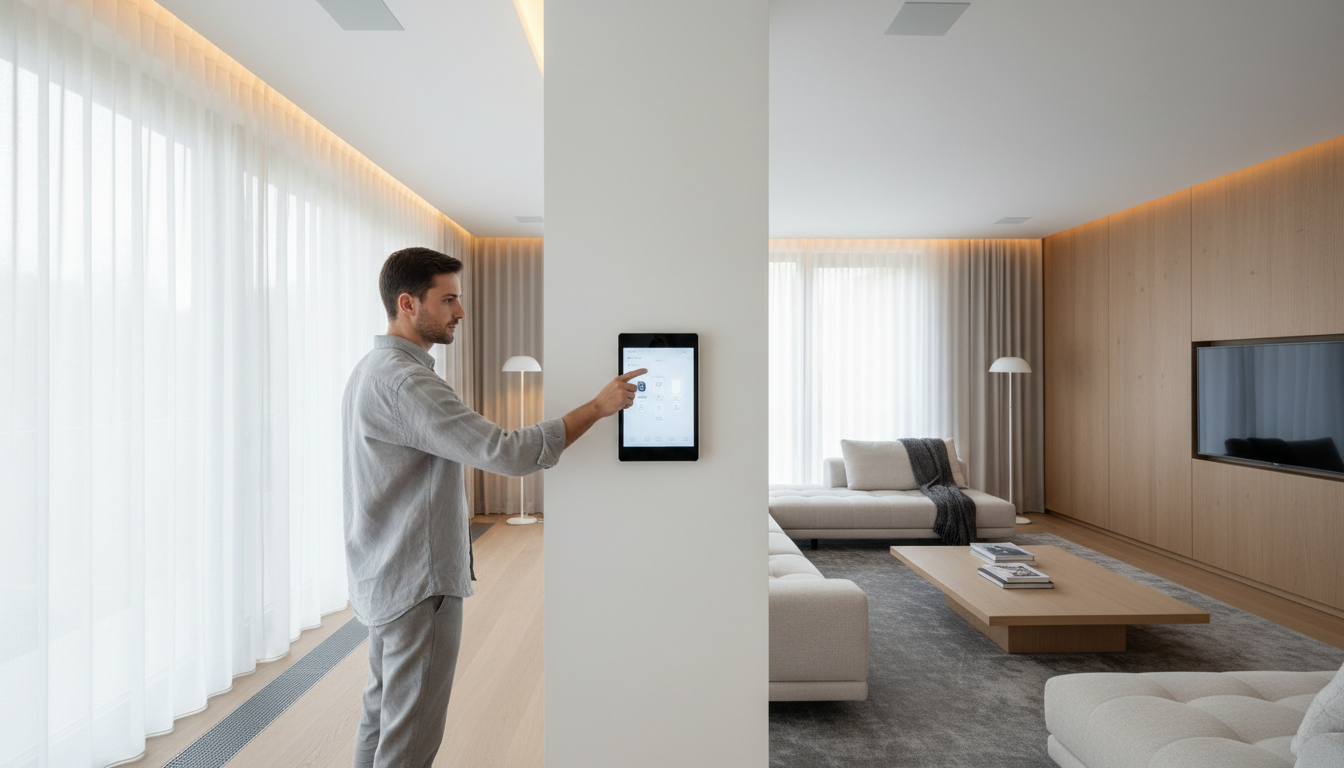
Another common misconception is that smart glass is difficult to use. In reality, most smart glass systems are user-friendly and often come with simple controls. Many systems can be operated via a smartphone app or integrated with smart home systems for seamless operation.
Myth 3: Smart Glass Has Limited Applications
Some believe that smart glass is limited to just windows or office partitions. However, its applications are diverse, ranging from residential buildings to healthcare facilities. In hospitals, for example, smart glass can be used to ensure patient privacy while maintaining daylight in rooms. Retailers use it for dynamic advertising on storefronts.
Myth 4: Smart Glass Lacks Durability
There is a perception that smart glass is fragile and not durable. In fact, smart glass is designed to be robust and can withstand significant wear and tear. It is often reinforced with layers that enhance its strength, making it suitable for various environments.

Myth 5: Smart Glass Offers No Energy Efficiency Benefits
Contrary to this belief, smart glass is engineered to improve energy efficiency. By controlling solar heat gain and reducing the need for artificial lighting, smart glass helps in cutting down energy consumption. This can lead to considerable savings over time, making it a smart investment.
Conclusion
Smart glass technology is surrounded by myths that often deter people from exploring its benefits. By understanding the truth behind these misconceptions, you can make more informed decisions about incorporating smart glass into your space. The potential savings and enhanced functionality it offers make it worth considering for a variety of applications.