
Seasonal Preparation: How to Insulate Your Windows for a Cozy Winter


Understanding the Importance of Window Insulation
As the chill of winter approaches, ensuring that your home remains warm and energy-efficient becomes a priority. One of the most effective ways to achieve this is by insulating your windows. Proper insulation not only keeps your home cozy but also reduces heating costs, making it an essential aspect of seasonal preparation.
Windows can be a significant source of heat loss, accounting for up to 30% of your home's energy usage. By insulating them, you can prevent cold drafts and maintain a stable indoor temperature, enhancing your comfort and saving money in the process.

Types of Window Insulation
Weatherstripping
Weatherstripping is a simple and effective way to seal gaps around your windows. It involves applying a strip of compressible material, such as foam or rubber, to the window frames. This creates a tight seal that prevents cold air from seeping in and warm air from escaping.
Window Film
Applying window film is another popular method for insulation. These films are typically made of plastic and can be applied directly to the glass. They work by reflecting heat back into the room, reducing heat loss and improving energy efficiency. Some films also offer UV protection, which can help preserve your furniture and flooring.
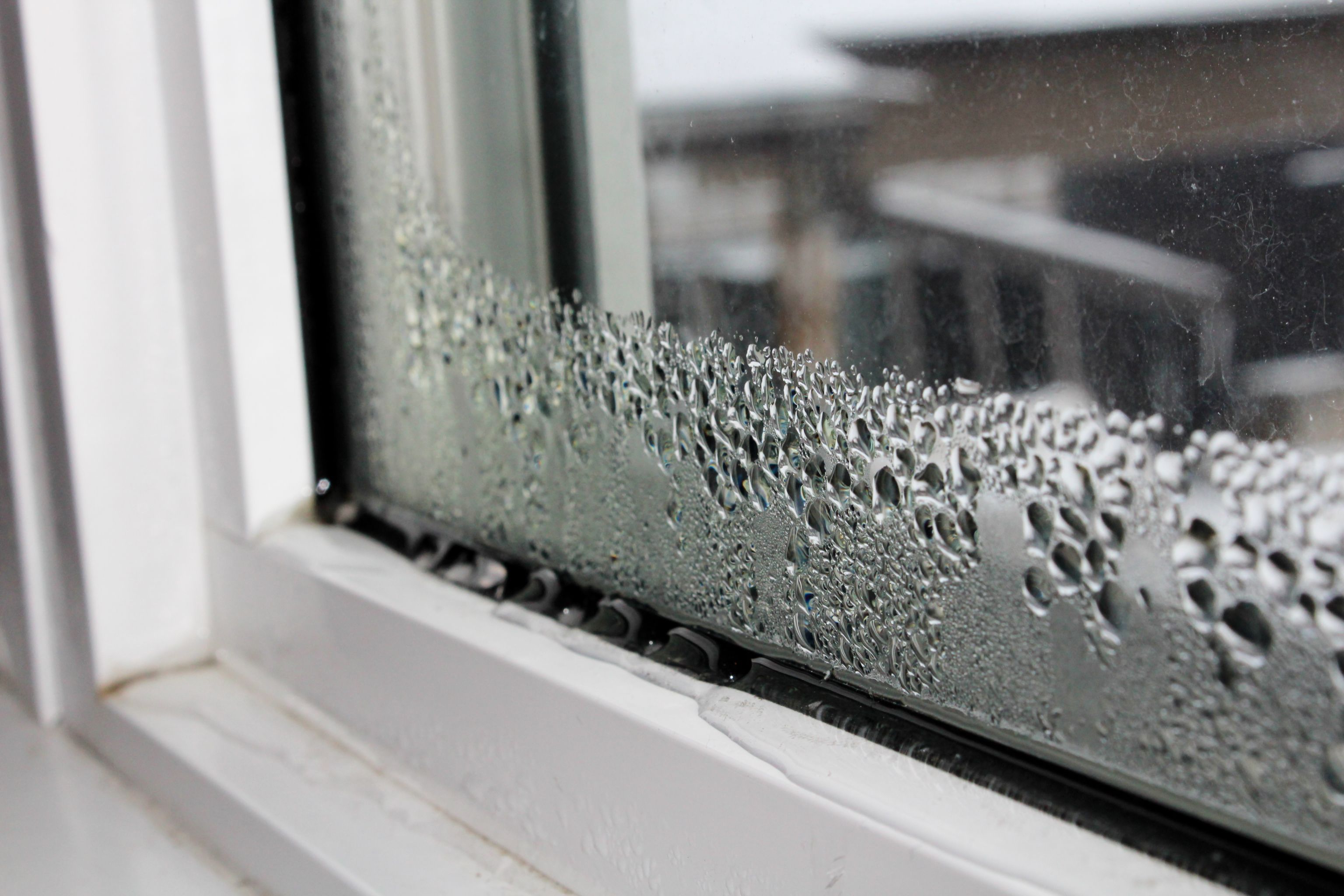
DIY Window Insulation Tips
Install Thermal Curtains
Thermal curtains are an excellent addition to your insulation strategy. Made from thick, insulated fabric, these curtains provide an extra layer of protection against cold air. They can be drawn at night or during particularly cold days to enhance warmth and comfort.
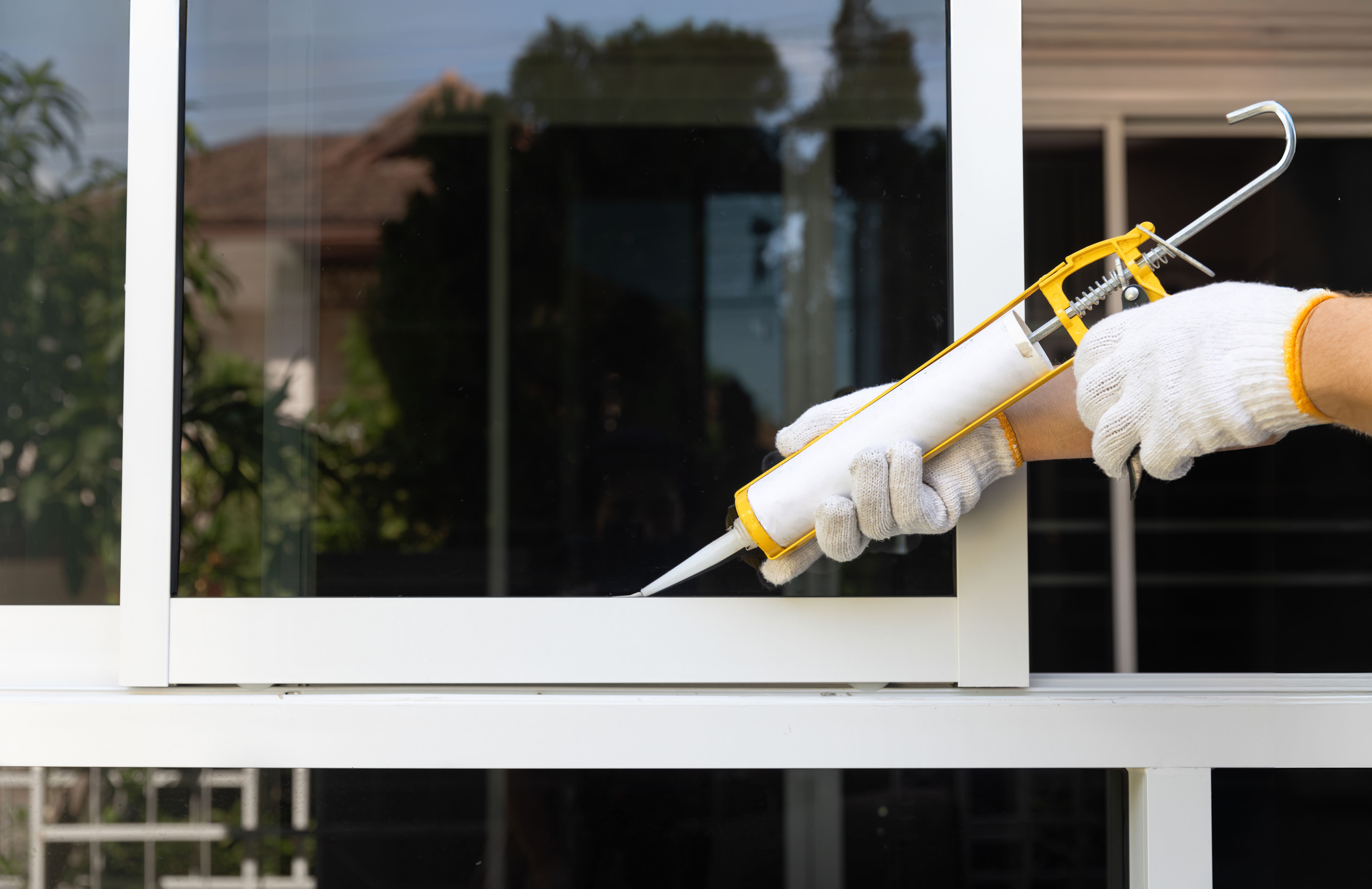
Use Caulking
Caulking is a versatile solution for sealing cracks and gaps around your window frames. By applying caulk to these areas, you create a barrier that prevents air leaks. Make sure to choose a weather-resistant caulk for the best results, and apply it carefully to ensure a clean finish.
Additional Considerations for Window Insulation
When insulating your windows, it's essential to consider the specific needs of your home. Factors such as window type, climate, and budget can influence the best insulation method for you. Additionally, combining several insulation techniques can provide optimal results, ensuring your home remains warm and energy-efficient throughout the winter.
Investing time and effort into properly insulating your windows not only enhances your comfort but also contributes to a more sustainable and cost-effective living environment. Embrace these strategies to enjoy a cozy, energy-efficient winter season.