
Smart Glass vs. Traditional Glass: Which is Right for Your Business?


Introduction to Smart Glass
In the evolving landscape of architectural innovation, smart glass is gaining traction as a revolutionary material. Unlike traditional glass, smart glass can change its properties based on environmental factors, offering dynamic control over light and heat. Businesses looking to modernize their spaces often consider smart glass as a viable option.
Smart glass uses technology such as electrochromic or photochromic systems to adjust its tint, providing privacy and energy efficiency. This adaptability makes it a strong contender in the decision between smart glass and traditional glass.

Benefits of Smart Glass
Energy Efficiency
One of the most compelling advantages of smart glass is its energy efficiency. By controlling sunlight and heat gain, smart glass can significantly reduce the demand for air conditioning, leading to lower energy bills. This is especially beneficial for businesses looking to reduce their carbon footprint.
Enhanced Privacy and Security
Smart glass provides an innovative solution for privacy needs. With the flick of a switch, glass can transform from transparent to opaque, ensuring privacy without the need for blinds or curtains. This feature is highly desirable in office spaces and meeting rooms.

Traditional Glass: Tried and True
Simplicity and Cost-Effectiveness
Traditional glass remains a staple in many businesses due to its simplicity and lower initial cost. It is easy to maintain and replace, making it a practical choice for many applications. For businesses with budget constraints, traditional glass is often more accessible.
Versatility and Aesthetics
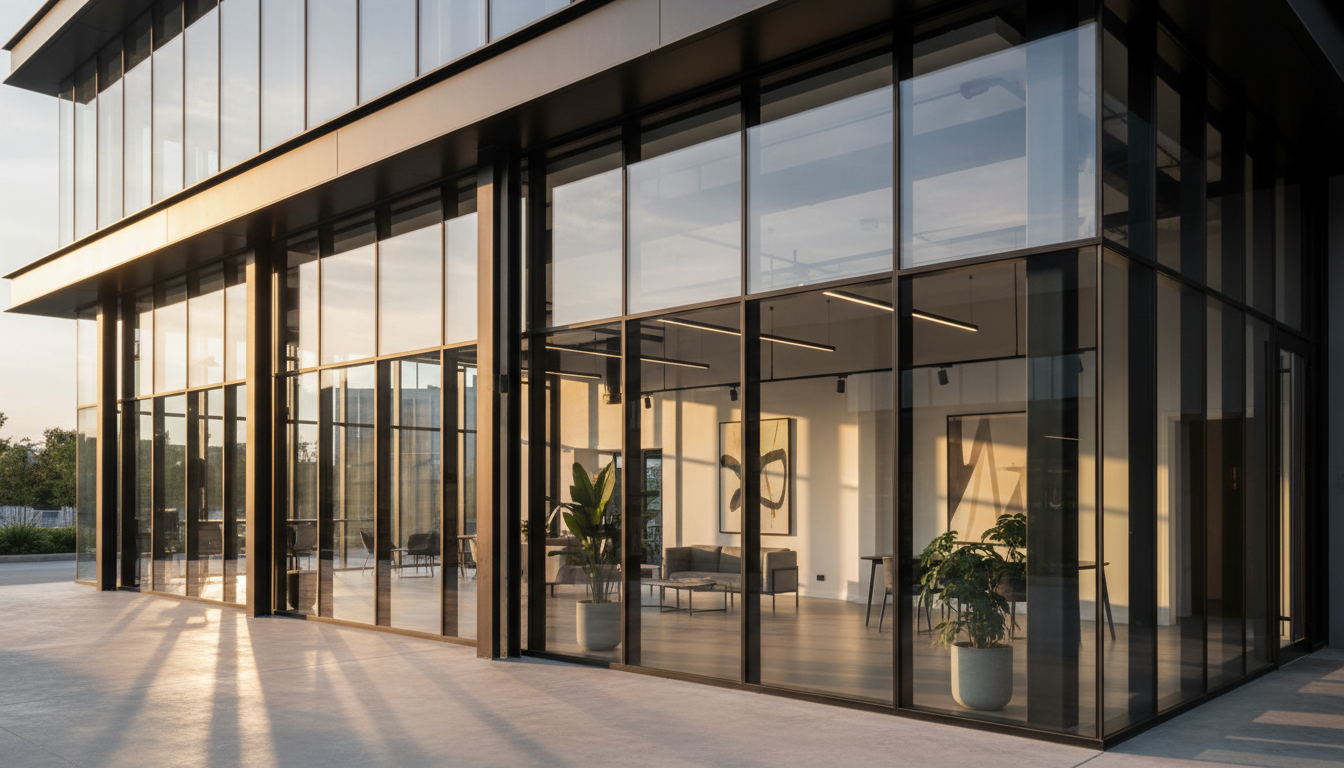
Traditional glass offers versatility in design and can be used in a variety of architectural styles. Its clear, unobtrusive nature allows for maximum light penetration and can create a sense of openness in a space.
Choosing the Right Glass for Your Business
When deciding between smart glass and traditional glass, businesses should consider factors such as budget, energy efficiency goals, and privacy needs. Smart glass is ideal for modern, eco-conscious businesses, while traditional glass is better suited for those prioritizing cost-effectiveness and simplicity.
Ultimately, the choice between smart glass and traditional glass will depend on the specific requirements and goals of your business. Consider consulting with an expert to explore the best options for your architectural needs.